


We all know AI today can create almost anything from a simple prompt. But should your customers believe everything they see? And why Luxury Brands like Prada are back with Human-made Festive seasons advertisement?
There was a time when I had to convince clients that we don’t need to photoshop their food too much, and that their pasta sauce is the right color, and don’t need to be more saturated. I did removed flies from photos, I’m indeed guilty of that.
But now, the conversation is different, some clients just don’t want to use real photos. They want to AI generate the meals, the models, even a sunset. Welcome to the new era of digital marketing, where almost anything can be created, but not everything should be sold.
So, why do brands still choose human-made content? Is it marketing ethics, legislation, or simply good taste?
The answer is all three, but it's not that simple.
1. Marketing ethics: Sell the product, not the fantasy
A good marketer understands one fundamental principle: our job is to communicate the real value of a product.
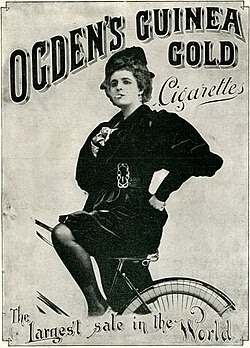
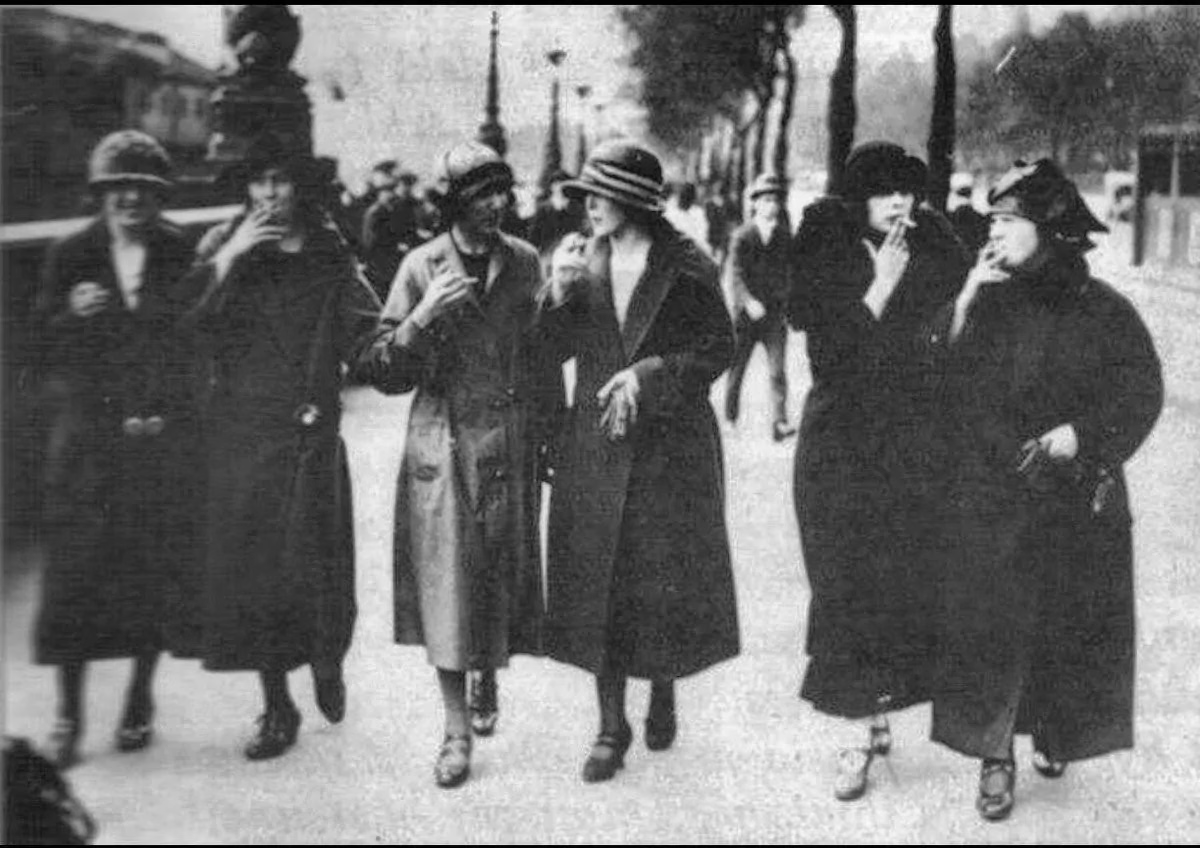
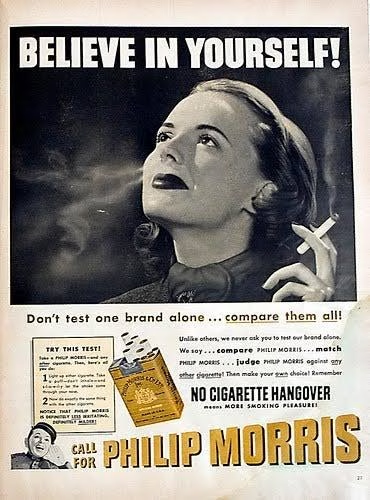
Edward Bernays ( the father of modern PR and of Propaganda as a professional craft, was also the nephew of Sigmund Freud ) understood the power of this distinction, perhaps his legacy is a complicated one. In his famous 1929 Torches of Freedom campaign, he connected women's smoking with independence and social emancipation, using psychological insights to transform a cigarette into a symbol of liberation and power. He literally consulted a psychiatry doctor to create this advertisement campagne.
It was brilliant. It was also a reminder of how powerful marketing can be when it shapes people's perceptions. But cigarettes did not become healthier because the story was great. Lots of people today are struggling to quite smoking. Marketing isn't just pictures & words that grows you sales.
This is why marketing ethics matter. We can tell a beautiful story, create desire and inspire people to discover something new. But we should never confuse storytelling with deception.
2. AI marketing: What does the law actually say?
AI is an extraordinary creative tool, yet we still have to respect consumer protection.
Thailand has already addressed AI-generated and digitally manipulated advertising imagery. Guidance from the Office of the Consumer Protection Board requires relevant disclosures for AI-generated or edited advertising images and stresses that information such as product quantity, size and ingredients must reflect reality. (Sources: OCPB, OCPB, Thailand’s Advertising Guidelines Targeting AI-Generated Content, Consumer protection Act Thailand)
The EU AI Act introduces further transparency obligations for certain AI-generated and manipulated content. (Sources: AI Act Explorer, Guidelines on transparency obligations for providers and deployers of certain AI systems)
And there is a fundamental principle behind these regulations: you cannot advertise an imaginary product as though it were real. This is an understandable request, consumers want to know what they will get.
An AI-generated restaurant dish should not contain ingredients the kitchen doesn't use, as well as a hotel cannot create a bigger swimming pool or advertise a fictional room as an actual facility. For some OTAs for example, it is prohibited to use fish-eye or large angle lenses to keep the proportions on the photo realistic.
Beautiful imagery is not a substitute for an honest product.
Related posts: AI Slop vs AI Effectiveness: Why Human Taste is more Important in Marketing
3. The science of trust: Does AI actually sell?
Interestingly, emerging research suggests that synthetic imagery can carry a commercial cost.
A December 2025 study published in the International Journal of Information Management, examining consumer reactions to AI-generated VS real images in hospitality, found that consumers were less willing to use and recommend services advertised with AI generated images. The negative effect was particularly pronounced for hedonic experiences and high-involvement decisions.
A 2026 British Food Journal study involving 241 Spanish consumers found that AI-generated food imagery reduced perceived value and increased negative word-of-mouth intentions compared with real food photos.
Another study, using three experiments, found that AI disclosure labels reduced food purchase intentions, particularly when premium prices were involved.
These are experimental findings, not proof of universal sales losses. But they raise an important question: if customers are paying for an experience, why would we give them an artificial representation of it?
Sources: Tainted by technology? The effect of AI-generated image labels on consumers’ food purchase intentions , The influence of AI-generated versus real food images on perceived value and negative WOM, Misguided Tourism in the Age of AI? Implications for Tourist Decision-Making and Destination Reputation )
Remember your heroes
And here's something every hospitality and tourist business should remember: your customers are your most powerful marketing channel, even when you don't pay them.
Research by Ipsos Loyalty, involving more than 10,000 customer experiences across seven sectors, found that 52% of people who had a bad experience shared it with friends, family or colleagues, compared with 56% who shared a good experience. Earlier research by the Technical Assistance Research Programs (TARP) also highlighted how dissatisfied customers can spread negative experiences to 9–15 people.
Think about what this means for a restaurant or hotel. A guest who receives something completely different from what they saw in your advertising doesn't necessarily leave a one-star review.
They might simply tell their friends, share a photograph in a private WhatsApp group or recommend another place instead. And you may never know it happened.
Your reputation is built not only on what you promise publicly, but on what your customers experience and tell others privately. That's why authentic marketing isn't just an ethical choice. It's a business strategy.

4. Inspiration versus representation
There is a difference between selling a feeling and selling a physical product. Consider some of the AI-led hospitality advertising appearing in on a well known French Hospitality Group ecosystem. Some Meta campaigns use cinematic imagery, synthetic-looking characters and music to communicate a mood: a smile, a shared meal, the feeling of travelling. When the imagery communicates an atmosphere rather than pretending to document a particular hotel room, it serves a different purpose. That is where AI can be wonderful.
But when I see restaurants in Koh Samui generating their actual menus with free AI tools, sometimes complete with strange lettering and fictional-looking dishes, I start asking questions. If I cannot see your actual burger, how do I know what I'm ordering?
The problem is that AI is really a great tool, some images and videos are truly looking realistically. Sometimes you can find a technically perfect social media account, but when you start looking at the little details, you feel a Uncanny Valley effect, and then you just start questioning all the content, and if the place is real, if the food will look like they present it or totally not.
If I'm considering spending 2,000 THB on a steak, I want to see the food you actually serve, not an algorithm's interpretation of perfection.
Related post: AI in Property Development Marketing: How to Turn Renders into High-Converting Ads

5. Hospitality is about trust, especially in Thailand
Most customers in Koh Samui are visitors. They're navigating an unfamiliar destination, unfamiliar businesses and unfamiliar standards. Some had heard some really strange or outdated stereotypes about SE Asia.
Tourists want reassurance, some of them are here or even just "abroad" for the first time. Do you remember your first time abroad?
Then we also need to understand that not all businesses are the same, I’m OK if the PAdTai shop is advertising their dish with AI, it’s a small expense, but a restaurant or beach club with and average check over 800 THB should care enough about it’s customers to hire a real photographer to make their food look amazing.
The higher the expectation and financial commitment, the more important accurate representation becomes. I even saw recently on LinkedIN someone said "Human craft for the rich, AI for the poor", and it seems to go right in this direction.
And remember: disappointed customers don't always complain publicly. Thailand's defamation law makes businesses and reviewers particularly conscious of how public criticism is expressed. Some unhappy customers simply tell their friends, share private messages or simply never return.
You might never see the review that costs you your next reservation.

6. How much AI should your brand use?
The answer is not zero. It's intentionality.
Use AI to develop concepts, explore creative directions, create imaginative campaigns and enhance production. You don't always need to hire models or organise elaborate shoots. You can combine AI-generated lifestyle imagery with real photographs of your cocktails, dishes, interiors and facilities.
Show the atmosphere, but document the product.
The quality of the content that your brand shows online should be proportianal to your respect to your customers. There’s a reason why Luxury Brands, like Prada in their 2026/2027 Festive season campagne. Leading the creative process is legendary animator John Pomeroy, whose decades-long career has helped shape some of cinema’s most recognizable animated productions at studios such as Disney. (source)
At FAMEsolutely, we offer AI-generated social media services for property developers, where carefully designed visualisation can help communicate architectural concepts and development ideas.
For hotels and restaurants, however, we don't replace real product photography with AI-generated representations of the food or accommodation.
There is a reason for that, we work with the Luxury Market, and Luxury is always handmade.
Your customers are the fuel of your business. Respecting them means respecting their expectations.

The future belongs to brands that know the difference
The first wave of AI creativity was about discovering what was possible. The next should be about understanding what is appropriate.
AI is here to stay, and we're fortunate to witness the beginning of something extraordinary. But technology doesn't replace taste, professional judgement or responsibility.
Let's use it to make marketing more creative, not less honest. Because the most convincing image is still the one that makes a customer arrive, look at the real thing and say: "This is Exactly what I expected, probably even better!"